


Articles


Network Topologies Star, Ring and Mesh
Network & Security
22/09/2023 13:09
Serhat P.
10 min. reading
Introduction to Network Topologies
Network topologies define the physical or logical arrangement of a network that determines how devices communicate. All computer networks, from the internet to office networks, operate on a specific topology. These topologies dictate how data travels across the network and are typically categorized as star, ring, or mesh.
Understanding network topologies can enhance the efficiency and productivity of a business. A well-designed network ensures accurate and rapid data transfer, thus streamlining business processes. This article delves into star, ring, and mesh network topologies, exploring the advantages and disadvantages of each.
Additionally, the article discusses how businesses can select network topologies and looks into the future trends of network topologies. You'll also learn how Makdos.tech services and network topology solutions can assist.
Understanding Network Topologies: Star, Ring, and Mesh
Star, ring, and mesh represent the most common network topologies. Each offers unique advantages and disadvantages for data transmission and network performance. Understanding them and knowing when to use each can enhance your business processes and overall network performance.
The star network topology is a network model where every device connects to a central node. The ring network topology is a model where devices connect in a manner that forms a ring. The mesh network topology is a model where each device connects to every other device.
The sections below will delve deeper into each of these topologies. We will also discuss the advantages and disadvantages to help you determine which topology best suits your business needs.
Star Network Topology: Overview
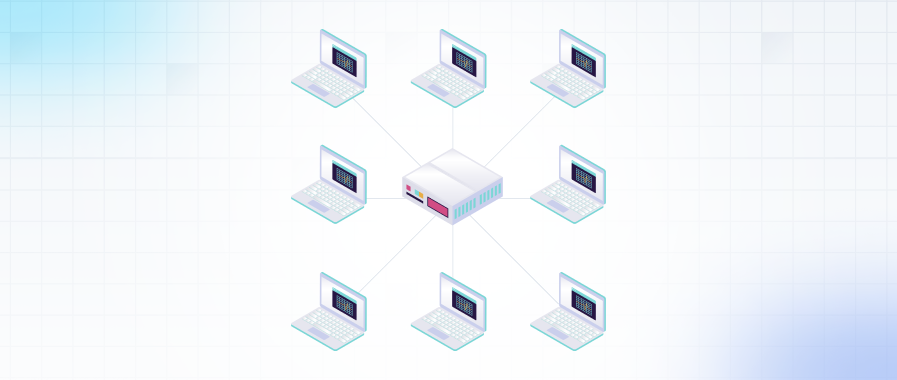
The star network topology is a network model where all devices are connected to a central node. This central node typically acts as a network switch or router. Due to all data passing through the central node, the star topology can impact the overall performance and reliability of the network.
A prominent feature of the star topology is that if one device fails, it doesn’t affect the rest of the network. However, if the central node fails, the entire network goes down. Hence, for the star topology to function effectively, continuous backup and maintenance of the central node are essential.
Star topology is usually suitable for small to medium-sized networks. It often requires simple setup and management, and changes in the network typically mean adding or removing a single device.
Advantages and Disadvantages of the Star Network Topology
Advantages of the star network topology include simplicity, reliability, and easy maintenance. Having each device connected to a central node simplifies network management and error detection. Additionally, if one device fails, it has no effect on other devices.
However, disadvantages include the central node’s influence on the overall network performance. If the central node fails, the entire network goes down. Also, the star topology often requires more cabling, increasing setup and maintenance costs.
The backup and maintenance of the central node are also obligatory. Star topology is generally best suited for small to medium-sized networks. For larger networks, other topologies like mesh or ring might be more appropriate.
Ring Network Topology: Overview
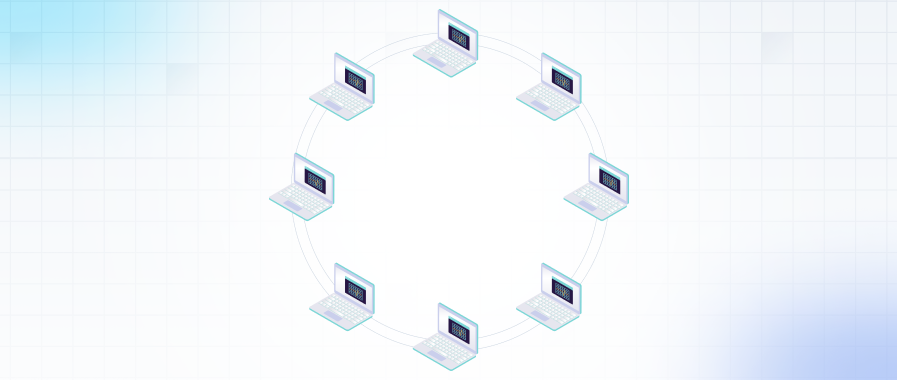
The ring network topology is a model where all devices are connected in a way that forms a ring. Each device forwards data to the next, allowing data to be carried all around the ring. Ring topology often controls data transmission using a method known as token passing.
A notable feature of the ring topology is data transmission in a specific direction. This prevents data collisions and enhances the network's overall performance. However, if one device fails, the entire network can be affected.
Ring topology is typically suitable for medium-sized networks. It often requires simple setup and management, and changes in the network usually mean adding or removing a single device.
Advantages and Disadvantages of the Ring Network Topology
Advantages of the ring network topology include reduced data collisions and enhanced network performance. Transmitting data in a specific direction prevents data collisions and boosts the network's overall performance. Also, the ring topology typically requires less cabling, which can decrease setup and maintenance costs.
However, a significant disadvantage is that if one device fails, it can impact the overall network performance. If a device goes down, data transmission stops, and the entire network might be affected.
Also, making changes to the network often necessitates halting the entire ring. The ring topology is generally best suited for medium-sized networks. For larger networks, other topologies like mesh or star might be more fitting.
Mesh Network Topology: Overview
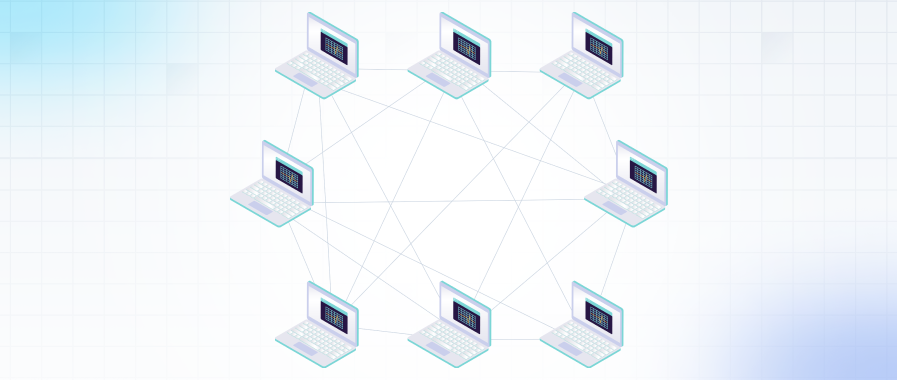
The mesh network topology is a model where every device is connected to every other device. This enhances the network's overall reliability and performance as data can be transmitted through multiple paths. Mesh topology is typically suitable for large networks.
A distinct feature of the mesh topology is its enhancement of overall network reliability and performance. If one device fails, data can still be transmitted through other paths, improving the network’s reliability and performance.
Mesh topology is usually fit for larger networks. It often involves complex setup and management, and changes in the network might mean adding or removing multiple devices.
Advantages and Disadvantages of the Mesh Network Topology
Advantages of the mesh network topology include increased overall reliability and performance. Having every device connected to every other boosts the network’s reliability and performance. Moreover, if one device fails, data can still be sent through other pathways.
However, disadvantages encompass the complex setup and management. Having every device connected to all others requires extra effort and time to set up and manage the network. Also, the mesh topology often demands more cabling, raising setup and maintenance costs.
The mesh topology is generally the best choice for larger networks. For small to medium networks, other topologies such as star or ring might be more suitable.
Comparison of Star, Ring, and Mesh Topologies
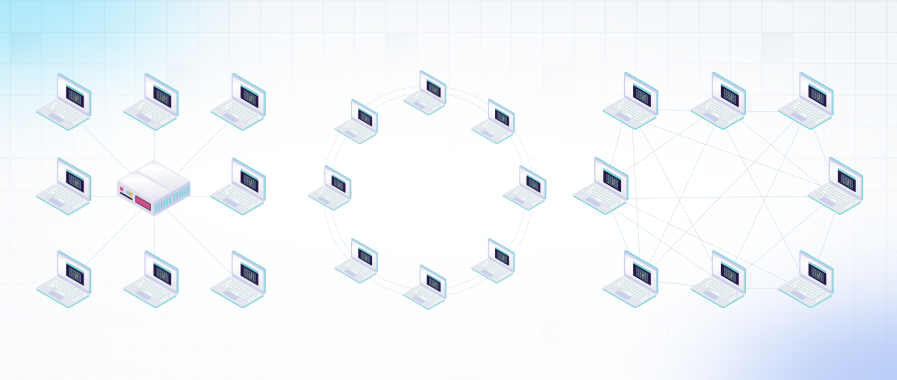
Star, ring, and mesh topologies each offer unique advantages and disadvantages. It's essential to consider these pros and cons when determining which topology best suits your business needs.
Star topology is often best suited for small to medium-sized networks. It's known for its simple setup and management, but the central node greatly impacts the overall performance of the network.
Ring topology is typically most appropriate for medium-sized networks. It prevents data collisions and boosts the overall performance of the network. However, if one device fails, it can affect the entire network.
Mesh topology is generally most suitable for large networks. It enhances overall reliability and performance but demands complex setup and management.
Choosing the Right Network Topology for Your Business
Selecting the right network topology can enhance your business processes and the overall performance of your network. This requires considering the size of your business, network requirements, and budget.
For small to medium-sized networks, star topology is often the most appropriate. It's known for its simple setup and management, and changes in the network usually mean adding or removing just one device.
For medium-sized networks, ring topology is typically the most suitable. It prevents data collisions and boosts the network's overall performance. But, if one device fails, the entire network can be impacted.
For large networks, mesh topology is often the best choice. It improves overall reliability and performance but requires complex setup and management.
Future of Network Topologies: Trends to Watch
Network topologies are continually evolving with rapid technological advancements. Technologies like cloud computing, IoT (Internet of Things), and 5G are transforming how network topologies are designed and implemented.
Cloud computing allows for data to be stored centrally and accessed from anywhere, leading to more distributed and flexible network topologies. IoT enables devices and objects to connect to the internet, necessitating more complex and extensive network topologies.
5G allows for faster and more efficient data transmission, demanding faster and more reliable network topologies. It's essential for businesses to consider these advancements when thinking about the future of their network topologies.
Network Topology Solutions and Services
Network topology solutions and services can help businesses make their networks more effective and efficient. Makdos.tech offers network topology solutions and services.
Makdos.tech provides a team experienced in network topology design, setup, and management. They also offer various network security solutions to enhance your network's overall performance and reliability.
Additionally, Makdos.tech provides the necessary software and hardware solutions to manage and maintain your network. These solutions are designed to boost your network's efficiency and productivity.
Conclusion: The Impact of Network Topologies on Business Efficiency
Network topologies can greatly influence the efficiency and productivity of your business. A well-designed network ensures data is transferred correctly and swiftly, allowing employees to perform their tasks quickly and effectively without unnecessary delays. Conversely, a poorly designed network topology can lead to data loss, frequent network disruptions, and lags. This can result in disruptions in business processes, decreased work efficiency, and increased costs in the long run. Ultimately, choosing the right network topology, scalable with the growth and evolution of the business, can be key to long-term success. Therefore, the choice and management of network topology play a crucial role in the overall success of a business.

All Rights Reserved 2024 - Makdos Tech
Sharing of articles without permission or attribution is prohibited.